



Table of Contents
What Is a Metal Rolling Mill Used For?
2025-02-05
Metal rolling mills constitute essential technology in the metal processing industry, molding as well as refining raw metals to exact forms for many kinds of purposes. Rolling mills have changed significantly over time, with hand-operated mills to modern highly computerized systems. Rolling mills changed metalworking, allowing for large-scale production and the production of complicated metal forms. Industrial rolling mills use the latest innovations to achieve accuracy, productivity, and scaling, making them important in modern production.
Understanding Metal Rolling Mills
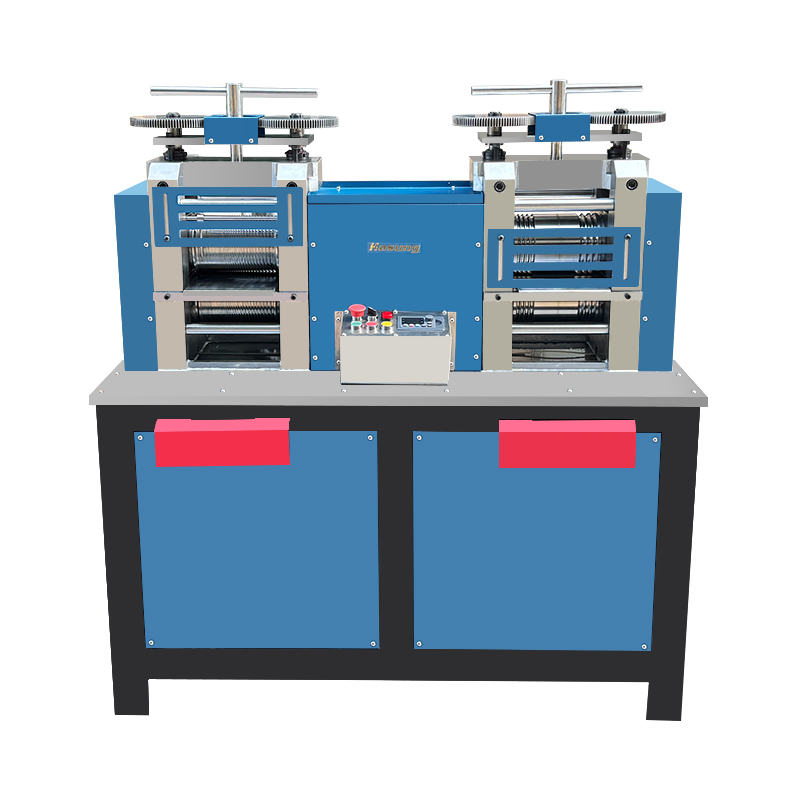
Metal rolling is the deformation of metal by running it between pairs of that revolve rollers in order to decrease its thickness or alter its shape. This method attempts at creating the appropriate sizes and mechanical characteristics. A conventional rolling mill is composed of important components like rollers, stands, motors, bearings, as well as control systems.
Rolling mills are mainly separated into hot rolling mills as well as cold rolling mills:
● Hot rolling mills work at temperatures higher than the metals the recrystallization point, which allows simpler deformation and manufacturing facilities of huge sheets and beams.
● Cold rolling mills handle metal at room temperature, which improves top polish, dimensional precision, & mechanical strength.
Core Functions of a Metal Rolling Mill
Metal rolling machine s have many important roles in the metallurgical industry:
● Shaping Metals: Rolling mills shape metal ingots various slabs into sheets, plates, rods, and complicated shapes to fulfill an extensive variety of needs in industry.
● Refining Surface Finish: It improves the quality of the surface while offering accurate dimension precision, that's critical for applications that require exceptional performance.
● Improving Mechanical Properties: Rolling mills induce work hardening, thereby boosting the strength and durability of the metal.
Types of Rolling Processes
Rolling mills give a variety of rolling operations adjusted for particular applications:
✔Flat Rolling
Flat rolling crushes metal onto two parallel rolls resulting in sheets and plates of uniform thickness. This approach is essential when making items like as car body panels, metal roofing, & structural plates.
✔Shape Rolling
Shape rolling provides rods, bars, and profiles featuring challenging cross sections. This technique is frequently applied to create rails, beams, and other specialty parts for building and industry.
✔Ring Rolling
Ring rolling produces seamless rings & hollow forms by prolonging a metal ring between two rollers. This method of production is essential for manufacturing bearings, aircraft rings, especially large-diameter pipes.
✔Hot and Cold Rolling
● Hot rolling is suitable for producing large quantities of material on a big scale and at rapid speeds. The metal's elevated temperature decreases its capacity for deformation, though it may cause scale development on the surface.
● Cold rolling provides a superior surface polish, accuracy in dimension, and mechanical qualities, which make it perfect for precise applications like extremely thin sheets and exceptionally strong wires.
Industrial Applications of Rolling Mills
Metal rolling mills are utilized in many different kinds of sectors, assisting manufacture essential components:
● Steel Production: The rolling mills for steel into beams, sheets, & structural parts for use in building, infrastructure, including heavy machinery.
● Jewelry Manufacturing: It uses precise methods of rolling to form valuable metals that include silver, gold, and platinum into wires, sheets, & intricate designs.
● Automotive & aerospace: Rolling mills create lightweight yet strong components which include body panels, chassis pieces, along with turbine blades, that are required for outstanding durability cars and airplanes.
● Electrical Industry: Conductive sheets, wires, and foils for transformers, motors, as well as electronics can be produced using specialized rolled techniques.
Advantages of Metal Rolling Mills
Rolling mills possess multiple benefits which make them vital for metalworking operations:
● High Efficiency: Able of producing huge quantities using reliable quality and speed.
● Superior Surface Finish: Develop smooth, defect-free surfaces, that are essential for application requiring aesthetically or operational accuracy.
● Versatility: Ideal to handle an extensive variety of metals and alloys, such steel, aluminum, copper, and titanium.
● Defect Reduction: Regulated deformation eliminates internal faults, which improves the general quality and reliability of the finished item.
Technological Innovations in Rolling Mills
Advances in technology have sped up the evolution of rolling mills, boosting accuracy, effectiveness, and sustainable development:
● Automation: Contemporary rolling mills use computerized controls, robots, and systems that use AI to improve precision, reduce human error, and improve output.
● Energy-Efficient Designs: Mill innovations in design like regenerative brakes and efficient heating processes assist to minimize energy consumption & impact on the environment.
● Real-Time Monitoring: Modern sensors and analysis of data enable ongoing surveillance of the rolling process, ensuring high standards and early discovery of abnormalities.
Challenges and Limitations
Considering its advantages, metals rolling mills face a variety of challenges:
● High costs: Rolling mills need a substantial initial investment in addition to ongoing maintenance.
● Wear and tear: Rolls are exposed to significant stress and need to be serviced or replaced on an ongoing basis to avoid metal flaws.
● Thermal Deformation: In hot rolling, controlling the expansion of heat and deformation is essential for safeguarding product quality & dimensional precision.
How to Choose the Right Rolling Mill
Picking the right rolling mill depends on several metal factors:
● Production Requirements: Production requirements comprise the type of metal, volume, and the final product requirements.
● Technical Specifications: Identify mill capacity, rolling speed, as well as accuracy capabilities with the goal to satisfy the production needs.
● Customization: Select rolling mills that can be modified to meet unique working requirements.
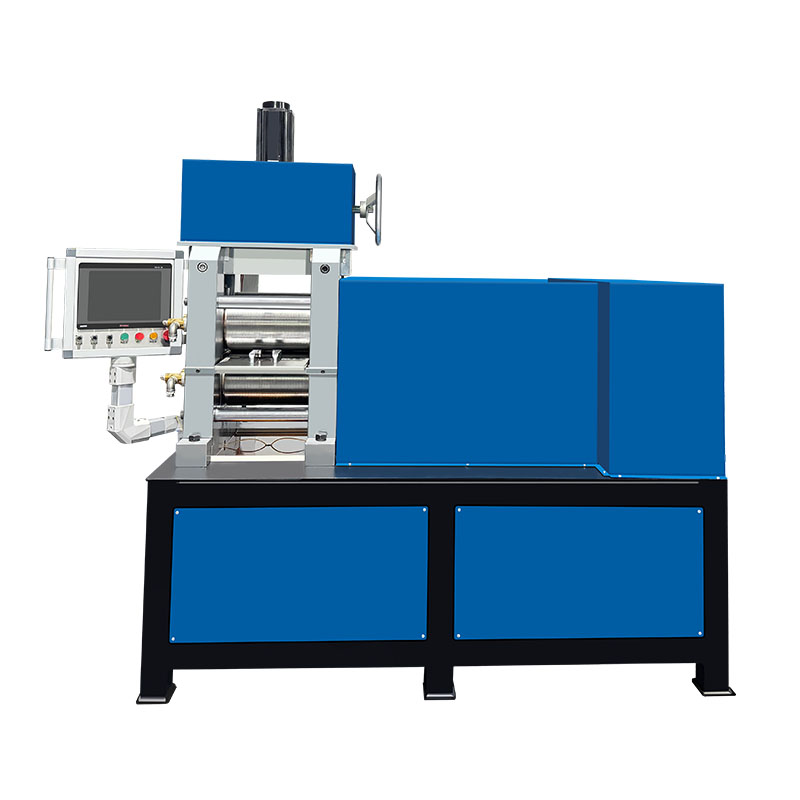
● Trusted Manufacturers: Manufacturers such as Hasung Machinery offer specialized rolling solutions along with understanding, trustworthiness, and post-installation helping hands.
Conclusion
Metal rolling mills play an essential role in shaping process, purifying, and refining metals for a number of industrial purposes. The ability of these companies to make precise and durable parts benefits an extensive variety of sectors, notably construction, automotive, aerospace, and electronics. While technology advances, rolling mills increase in efficiency, automation, & sustainability. Rolling mill technology continues to evolve, guaranteeing that this machinery will continue to be essential in meeting the needs of today's manufacturing and metalworking.
Knowing the functions, uses, and innovations of metal rolling machines enables manufacturers to leverage these effective machines to increase production, improve quality, and obtain an edge over others in their industries. If you want to know more or induction melting machines , welcome to contact Hasung!
ReviewsNumber of comments: {{ page.total }}
I want to comment?
{{item.nickname ? (item.nickname.slice(0, 2) + '*****') : item.source === 1 ? 'mall buyer' : '--'}}
{{item.comment_time}}
Review in the {{item.country}}
Reviews
Merchant
{{replyItem.nickname ? (replyItem.nickname.slice(0, 2) + '*****') : replyItem.source === 1 ? 'mall buyer' : '--'}}
{{replyItem.parent_nickname ? (replyItem.parent_nickname.slice(0, 2) + '*****') : '--'}}
{{replyItem.is_merchant_reply === 1 ? replyItem.reply_time : replyItem.comment_time}}
Review in the {{replyItem.country}}
Reviews

No customer reviews
recommended for you
Get in touch with us
Hasung is a leading provider in the jewellery casting machine and gold casting machine which for the precious metals and new materials industry.
CONTACT US
Contact Person: Jack Heung
Tel: +86 17898439424
E-mail: sales@hasungmachinery.com
WhatsApp: 0086 17898439424
Address: No.11, Jinyuan 1st Road, Heao Community, Yuanshan Street, Longgang District, ShenZhen, China 518115
Tel: +86 17898439424
E-mail: sales@hasungmachinery.com
WhatsApp: 0086 17898439424
Address: No.11, Jinyuan 1st Road, Heao Community, Yuanshan Street, Longgang District, ShenZhen, China 518115
Copyright © 2026 Shenzhen Hasung Precious Metals Equipment Technology Co., Ltd | Sitemap | Privacy Policy