



Table of Contents
Do you want to master the production of ultrafine metal powder? Look over here.
2025-08-26
In today's advanced manufacturing sector, ultra-fine metal powders have become core materials for numerous high-tech industries. Their applications are vast and critical, ranging from metal 3D printing (additive manufacturing) and thermal barrier coatings for aerospace engines to conductive silver paste for electronic components and titanium alloy powders for medical implants. However, producing high-quality, low-oxygen, spherical ultra-fine metal powder is a highly challenging technological problem. Among various powder production technologies, high-temperature metal water atomization is gaining increasing attention due to its unique advantages. But is it really as "good" as rumored? This article delves into its principles, advantages, challenges, and applications to find the answer.
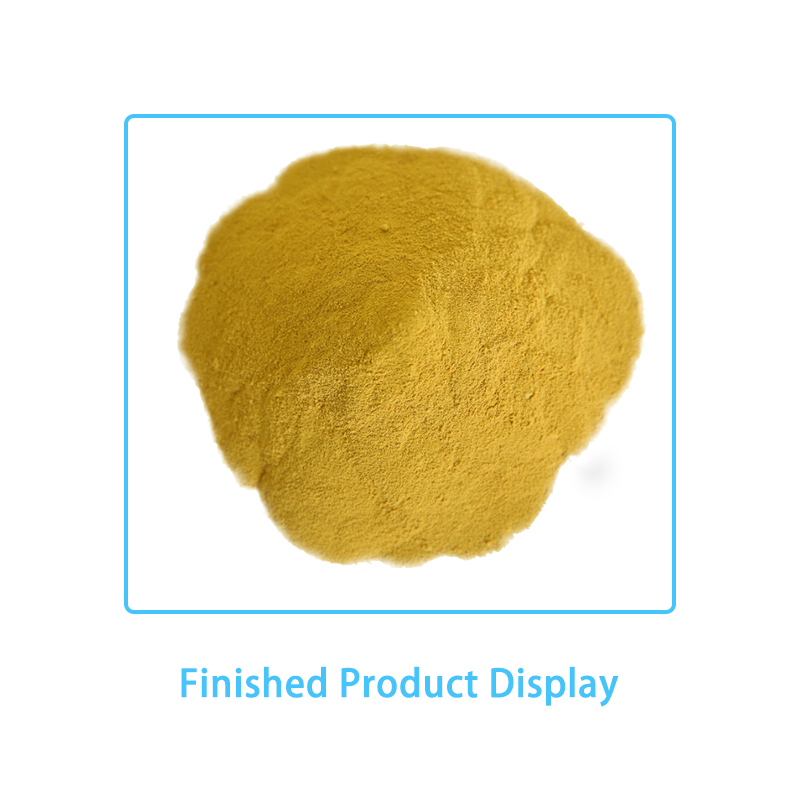
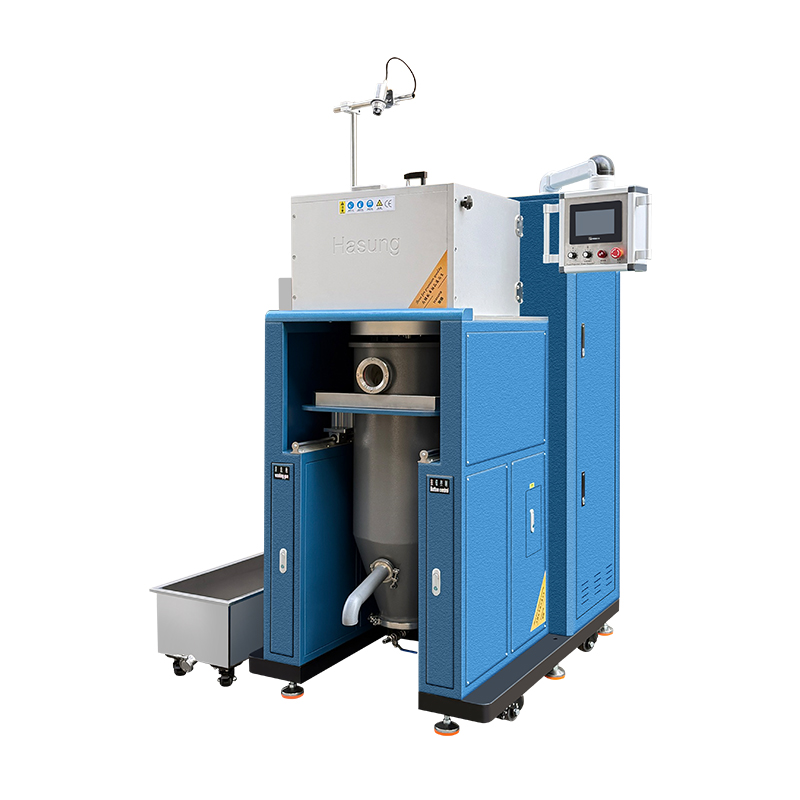
1. Ultra-Fine Metal Powder: The "Invisible Cornerstone" of Modern Industry
Before examining the equipment, it's essential to understand why ultra-fine metal powder is so important.
(1) Definition and Standards:
Typically, metal powders with particle sizes between 1 micron and 100 microns are considered fine powders, while those with particle sizes below 20 microns (even down to the sub-micron level) are termed "ultra-fine" or "micro-fine" powders. These powders possess an extremely large specific surface area, resulting in surface effects, small size effects, and quantum effects not found in bulk materials.
(2) Core Application Fields:
Additive Manufacturing (3D Printing): This is the largest demand sector for ultra-fine metal powders. Lasers or electron beams sequentially melt layers of powder to precisely manufacture parts with complex geometries for aerospace, medical (e.g., hip joints, dental crowns), and mold industries. The powder's flowability, particle size distribution, and sphericity directly determine the printed part's accuracy and performance.
Metal Injection Molding (MIM): Ultra-fine metal powder is mixed with a binder and injected into a mold to form a shape. This "green part" undergoes debinding and sintering to produce high-volume, high-precision, highly complex small components, such as phone SIM trays, firearm triggers, and watch cases.
Thermal Spray Technology: Powder is fed into a high-temperature flame or plasma stream, melted, and then sprayed at high velocity onto a substrate surface to form wear-resistant, corrosion-resistant, and oxidation-resistant coatings. Widely used in engine blades, oil pipelines, etc.
Other Fields: Also includes conductive pastes for the electronics industry, catalysts for the chemical industry, and energetic materials for the defense sector.
These high-end applications impose extremely stringent requirements on metal powder's particle size, sphericity, oxygen content, flowability, and apparent density.
2. A Variety of Powder Production Technologies: Why Does Water Atomization Stand Out?
The main technologies for producing metal powders can be divided into physical methods (e.g., atomization), chemical methods (e.g., chemical vapor deposition, reduction), and mechanical methods (e.g., ball milling). Among them, atomization is the mainstream method due to its high production efficiency, relatively controllable cost, and suitability for industrial-scale production.
Atomization is further divided into gas atomization and water atomization based on the medium used.
Gas Atomization: Uses high-pressure inert gas (e.g., argon, nitrogen) to impact a stream of molten metal, breaking it into fine droplets that solidify into powder. Advantages include high powder sphericity and good oxygen content control. Disadvantages are complex equipment, high gas cost, high energy consumption, and low yield for ultra-fine powders.
Water Atomization: Uses high-pressure water jets as the breaking medium. Traditional water atomization, due to its fast cooling rate, produces mostly irregular powders (flaky or near-spherical) with high oxygen content, often used in fields where shape isn't critical, such as metallurgy and welding materials.
High-temperature metal water atomization technology is a major innovation based on traditional water atomization, cleverly combining the high efficiency of water atomization with the high quality of gas atomization.
3. Demystifying the High-Temperature Metal Water Atomization Powder Production Machine: How Does It Work?
A high-performance high-temperature water atomizer's core design philosophy is: to atomize the metal droplets as thoroughly as possible and allow them to remain spherical before they contact the water.
Its workflow can be summarized in these key steps:
(1)Melting and Superheating: Metal or alloy raw materials are melted in a medium-frequency induction furnace under vacuum or a protective atmosphere and heated to a temperature far above their melting point ("superheated" state, typically 200-400°C higher). The high temperature significantly reduces the molten metal's viscosity and surface tension, which is the key prerequisite for subsequent fine and spherical powder formation.
(2)Guiding and Stable Pouring: Molten metal forms a stable stream through a bottom guide nozzle. The stability of this stream is crucial for uniform powder particle size distribution.
(3)High-Pressure Atomization: This is the core of the technology. The metal stream is precisely impacted at the atomization nozzle by several ultra-high-pressure (up to 100 MPa or more) water jets from different angles. The extremely high water pressure gives the jets immense kinetic energy, capable of粉碎 (fensui: crushing) the low-viscosity, low-surface-tension superheated metal stream into extremely fine droplets.
(4)Flight and Spheroidization: The crushed metal micro-droplets have sufficient time during their flight to the bottom of the atomization tower to contract into perfect spheres under the action of surface tension. The equipment creates the optimal environment for droplet spheroidization by precisely controlling the atmosphere inside the atomization tower (usually filled with a protective gas like nitrogen) and the flight distance.
(5)Rapid Solidification and Collection: The spherical droplets rapidly solidify upon falling into the water-cooled collection tank below, forming solid spherical powder. Subsequent processes like dewatering, drying, screening, and blending yield the final product.
4. The "Usefulness" of High-Temperature Water Atomization: A Comprehensive Analysis of Advantages
It is considered "good" because it addresses multiple pain points in ultra-fine powder production:
1. Extremely High Ultra-Fine Powder Yield: This is its most significant advantage. The combination of ultra-high water pressure and metal superheating technology dramatically increases the yield of target ultra-fine powders in the 15-25μm range to several times that of traditional gas atomization, significantly reducing unit production costs.
2. Excellent Powder Sphericity: Superheating reduces the molten metal's surface tension, and optimized atomization processes result in powder sphericity very close to that of gas-atomized powder, fully meeting the requirements for 3D printing and MIM.
3. Relatively Low Oxygen Content: Although using water as a medium introduces oxidation risks, measures like optimized nozzle design, filling the atomization chamber with protective gas, and adding appropriate antioxidants can effectively control oxygen content at low levels (for many alloys, below 500 ppm), meeting most application needs.
4. Significant Production Cost Advantage: Compared to gas atomization using expensive inert gases, the cost of water is almost negligible. Equipment investment and operating energy consumption are also typically lower than for gas atomization equipment of equivalent output, offering economic feasibility for large-scale industrial production.
5. Broad Material Adaptability: Suitable for producing powders from iron-based, nickel-based, cobalt-based alloys to copper alloys, aluminum alloys, tin alloys, etc., indicating strong versatility.
5. Shadows Under the Spotlight: Objectively Viewing Its Challenges and Limitations
No technology is perfect; high-temperature water atomization has its applicable boundaries and difficulties to overcome:
1. For Highly Active Metals: For active metals like titanium alloys, tantalum, and niobium, which are extremely prone to oxidation, the risk of oxidation from the water medium remains high, making it difficult to produce powder with ultra-low oxygen content (e.g., <200 ppm). These materials are currently the domain of technologies like inert gas atomization or plasma rotating electrode process (PREP).
2. "Satelliting" Phenomenon: During atomization, some already solidified or semi-solidified small powders might impact larger droplets and adhere to them, forming "satellite balls," which can affect powder flowability and spreading. Needs to be minimized by optimizing process parameters.
3. Complexity of Process Control: Stabilably producing high-quality powder requires precise协同 (xietong:协同 coordination) control of dozens of parameters like metal superheat temperature, water pressure, water flow rate, nozzle structure, and atmosphere control, representing a high technical barrier.
4. Water Recycling and Treatment: Large-scale production requires efficient water recirculation cooling systems and wastewater treatment systems, adding complexity to auxiliary facilities.
6. Conclusion: Is It Really That Good?
The answer is: In its field of expertise, yes, it is really very "good."
The high-temperature metal water atomization powder production machine does not aim to replace all other powder production technologies. Instead, it serves as a technical solution that achieves an excellent balance between high efficiency, low cost, and high quality, greatly meeting the growing market demand for ultra-fine spherical metal powders.
If your primary goal is to produce ultra-fine powders from materials like stainless steel, tool steel, high-temperature alloys, cobalt-chromium alloys, copper alloys, for applications in 3D printing, MIM, thermal spraying, etc., and you have high requirements for cost control, then high-temperature water atomization technology is undoubtedly an highly attractive and competitive option. It makes "mastering" ultra-fine metal powder production more feasible.
However, if your product is titanium alloy or other active metal powders requiring utmost oxygen content control for top-tier aerospace applications, you may need to consider other options like the more expensive inert gas atomization or plasma atomization technologies.
In summary, the high-temperature metal water atomization powder production machine is a significant achievement in the development of modern powder metallurgy technology. It uses innovative thinking to solve the traditional矛盾 (maodun: contradiction) between quality and cost, becoming another powerful engine driving the development of high-end manufacturing. When choosing, fully understanding your material properties, product requirements, and the technology's pros and cons is key to making the wisest decision and truly "mastering" ultra-fine metal powder production.
ReviewsNumber of comments: {{ page.total }}
I want to comment?
{{item.nickname ? (item.nickname.slice(0, 2) + '*****') : item.source === 1 ? 'mall buyer' : '--'}}
{{item.comment_time}}
Review in the {{item.country}}
Reviews
Merchant
{{replyItem.nickname ? (replyItem.nickname.slice(0, 2) + '*****') : replyItem.source === 1 ? 'mall buyer' : '--'}}
{{replyItem.parent_nickname ? (replyItem.parent_nickname.slice(0, 2) + '*****') : '--'}}
{{replyItem.is_merchant_reply === 1 ? replyItem.reply_time : replyItem.comment_time}}
Review in the {{replyItem.country}}
Reviews

No customer reviews
recommended for you
Get in touch with us
Hasung is a leading provider in the jewellery casting machine and gold casting machine which for the precious metals and new materials industry.
CONTACT US
Contact Person: Jack Heung
Tel: +86 17898439424
E-mail: sales@hasungmachinery.com
WhatsApp: 0086 17898439424
Address: No.11, Jinyuan 1st Road, Heao Community, Yuanshan Street, Longgang District, ShenZhen, China 518115
Tel: +86 17898439424
E-mail: sales@hasungmachinery.com
WhatsApp: 0086 17898439424
Address: No.11, Jinyuan 1st Road, Heao Community, Yuanshan Street, Longgang District, ShenZhen, China 518115
Copyright © 2026 Shenzhen Hasung Precious Metals Equipment Technology Co., Ltd | Sitemap | Privacy Policy